



By Rabbi Ellen S. Wolintz-Fields, WLCJ Executive Director
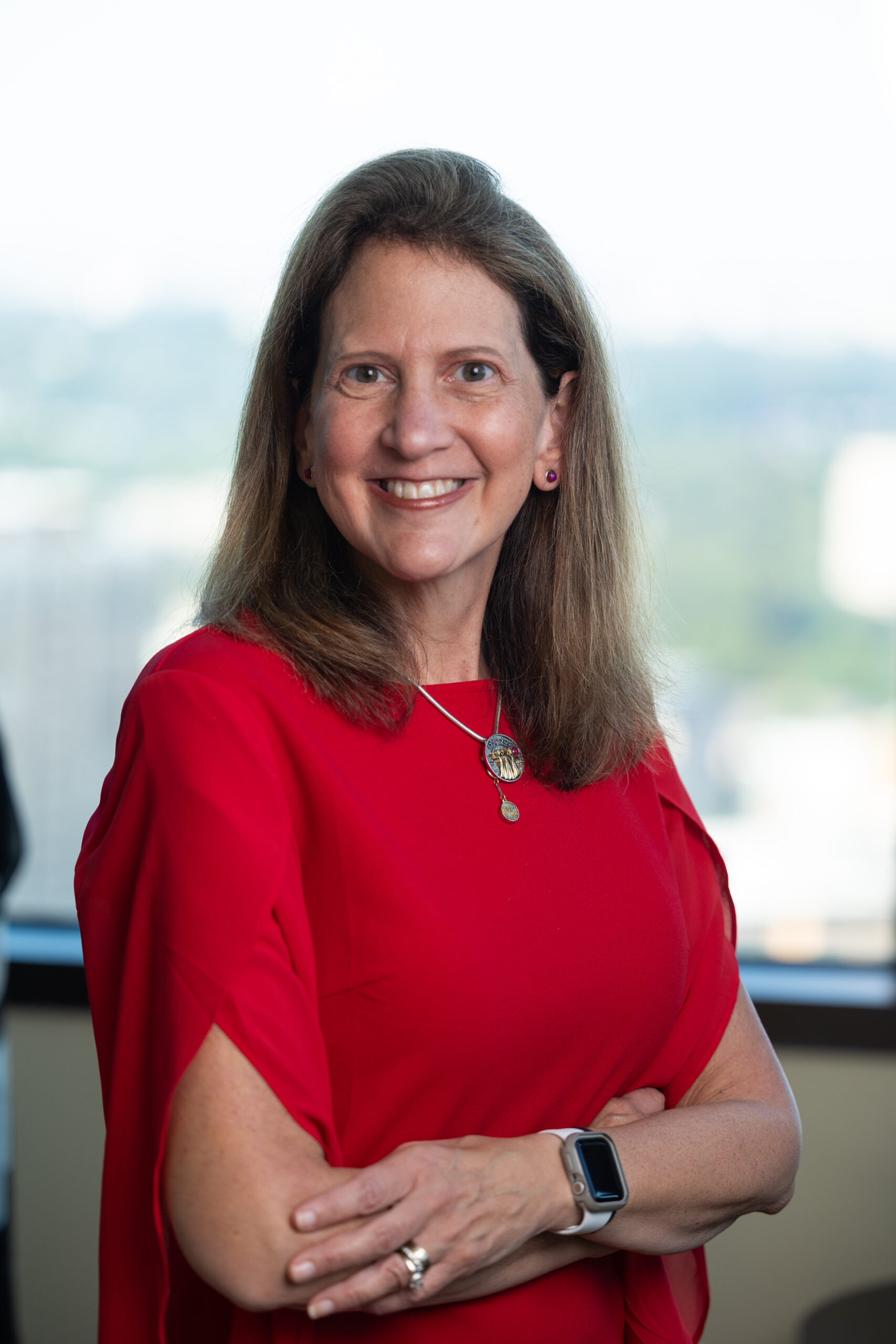 As a child, October 31 was not a special date for our family, since we did not celebrate. However, our house was filled with more candy than usual, in case anyone in our Brooklyn apartment building came trick-or-treating, which was infrequent. For many years, the same was true for our children, and Saturday has always been Shabbat in our home. Therefore, when I decided to pick Parashat Vayera, the same Torah reading for our daughter Cameron Elizabeth’s Bat Mitzvah, that was read at her baby naming, I was not concerned that the date was October 31. This Shabbat, Parashat Vayera is also read on October 31, eleven years since Cameron marked her Bat Mitzvah.
Parashat Vayera is a Torah portion filled with powerful lessons about faith, courage, hospitality, and responsibility. It also invites us to reflect on parent-child relationships, and communication between parent and child. Abraham and Isaac are never seen speaking again after the Akedat Yitzchak, the binding of Isaac which concludes our Torah Reading. This story is one of the most complex Biblical stories and was actually the basis of a semester-long class I took in my Rabbinical School studies at the Jewish Theological Seminary, with Rabbi Neil Gillman, z’l. In Genesis 22:7, Isaac, articulate and curious, speaks directly to his father Abraham, when Isaac realizes that something is missing from the sacrifice. After Abraham binds Isaac and prepares to sacrifice him, Isaac never again speaks to Abraham. After the Akedah, it seems that Isaac seems to lose his voice.
This is not the first time this year that we have read the story of the binding of Isaac; we also read it on the Second Day of Rosh Hashanah. Every time I study the Akedah, I think about how better communication could have really improved the entire situation: perhaps a conversation between Abraham and his wife Sarah – giving her a little bit of a heads up before he left; greater communication between Abraham and his servants; and more dialogue and more communication between father and son, at so many points during this dramatic Torah Reading.
The story of the Akedah, and the lack of communication between parent and child, has influenced my parenting style to talk to my children, and to make sure that we always have an open line of dialogue.Furthermore, one of my parenting goals has been to empower my three children to confidently and effectively, both find and use their voices, with kindness and consideration. One of the most important responsibilities of parenthood is helping our children develop confidence, strong values, and the courage to become their own people.
One of the defining moments of Cameron’s Bat Mitzvah was that she led the entire Service from beginning to end. She did so with poise, competence, and remarkable confidence. And then came a moment, which a mentor and friend reminds me of often. As the rabbi of the Congregation, I did sit on the Bimah for most of the Service. However, when I had completed davening the silent Musaf, I descended the Bimah and left the Sanctuary to use the facilities. Apparently, Cameron looked over to my podium, and saw I was not there, saw people had completed their silent prayers, announced the page for Kaddish Shalem, and continued on with the Service. She had truly found her voice, and continued leading the Service undeterred. She trusted herself, confident in her preparation, and kept going. She did not need any clergy, or her mother, to tell her what she had to do. It was about much more than leading a prayer Service. It was a glimpse of the person Cameron was becoming, and a reminder that at some point, the greatest giftshe was given was the confidence to stand on her own and find her true voice. May Cameron always have the strength, good health and courage to always use her voice to better the world around her and to live her life to the fullest potential.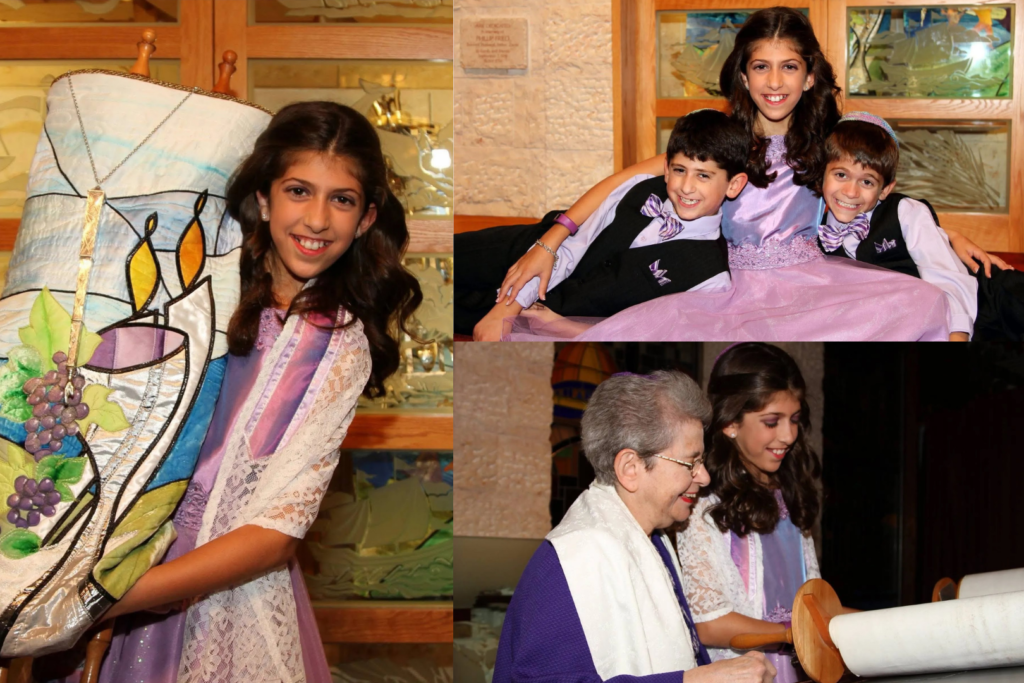
Ken Yehi Ratzon – So May It Be!
Rabbi Ellen S. Wolintz-Fields
WLCJ Executive Director
ewolintz-fields@wlcj.org
3080 Broadway, Suite K900, New York, NY 10027 | Phone: 405-870-1260 | info@wlcj.org
Copyright © 2026 Women's League for Conservative Judaism. All rights reserved. | Terms of Use | Privacy Policy | Website by Addicott Web