



By Lymor Wasserman
International WL Budget Chair, WLCJ Consultant, WLCJ Executive Committee, Southern Region Treasurer
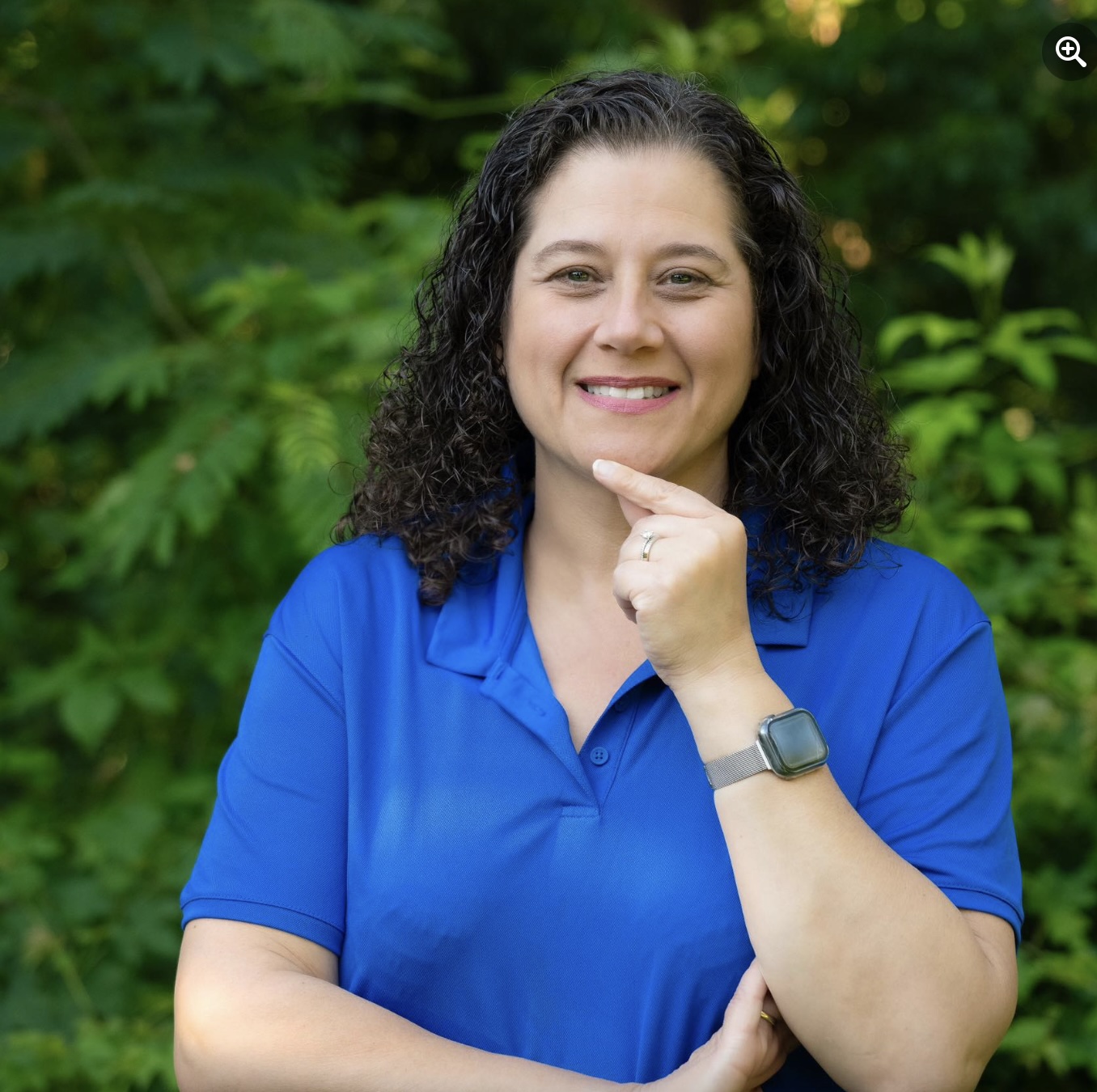
This Friday afternoon, I will be sitting in the Breslin Center at Michigan State University watching my youngest graduate from college. Many of you have been in this same spot, and I imagine you’ve felt the same emotions I’m feeling today: Did I prepare him for the world he is about to enter? Did I teach and nurture him well? Will he be a good employee, friend, husband, father, son, and grandson? He’s hardly all grown, and I’m sure he will still come to me for advice and motherly wisdom. I’m 54 years old, and I still ask my mother for hers (and I know how lucky I am that she can still give it).
As the memories of the last 21 years flood my mind, one in particular stands out. I was preparing dinner after a long workday while the kids, having finished their homework, were watching TV. Elan, 5 at the time, came into the kitchen, looked around, and asked, “Eema (the Hebrew word for “mom”), how do you make love?”
I froze. What does he mean? What are the kids watching? Am I really having the “birds and the bees” conversation right now… with a 5-year-old? I took a deep breath and asked, “Honey, what do you mean?” His answer: “Well, you always say the most important ingredient in these cookies is love, so how do you make love?” As I stared at the cookie dough defrosting on the stove, I hugged him tightly and let out a relieved laugh. Whew.
In that moment, I learned something important: sometimes the most meaningful part of communication is not what we say, but our willingness to pause and truly listen before we respond. Had I reacted from panic instead of curiosity, I would have missed what he was really asking. Parenting, marriage, friendship, and leadership all require that same discipline: to listen for meaning, not just words.
And perhaps that is exactly the lesson hidden inside this week’s parashah, Emor. If you read a summary of Emor, you’ll find laws about the purity of the Kohen, blemished sacrifices, and the establishment of Shabbat, Pesach, Shavuot, Rosh Hashanah, Yom Kippur, and Sukkot. But I’d like to go beyond those larger themes.
If the parashah is called Emor, and we know the phrase vayidaber Adonai el Moshe l-emor as “And God spoke to Moses, saying…,” what is the difference between daber and emor? Daber means “to speak.” Emor means “to say.” We speak all the time—but what are we actually saying? We communicate differently depending on whom we are speaking to: the clerk at the store, a friend, a colleague, a spouse, a child, or a parent.
In this week’s parashah, we read: “Say to the Israelite people: Anyone who curses his God shall bear his guilt” (Leviticus 24:15). This is not about cursing God necessarily; it’s a reminder that how we speak—about others, to others, about sacred things—matters. And what we say—how we communicate—is just as important as what we communicate. Loudly or softly, quickly or slowly, with patience and intention. Most importantly, with the ability to truly hear what someone is trying to say.
Are we practicing empathetic listening?
As I sit in that arena watching my son cross the stage, I realize that parenting is never really about having the perfect answers. It is about teaching values in everyday moments: dinners at the kitchen table, drives to and from Jewish Day School, basketball practice, Model UN, laughter over a misunderstood question about “making love,” and the way we speak (and listen) to one another.
Parashat Emor reminds us that words are never just words. The Torah teaches that how we communicate matters just as much as what we communicate. People hear differently, receive differently, and need to be approached with compassion and wisdom.
As women—mothers, daughters, sisters, friends, leaders, and the spiritual anchors of our homes and communities—we often set that tone. We model kindness, patience, honesty, and faith, often without even realizing it. Our children may not remember every lesson we tried to teach, but they will remember how we made them feel, how we spoke to them, and how we listened.
So perhaps the question is not only, “Did I prepare him for the world?” but also, “Did I teach him how to speak to the world—and how to hear it?” If I have done that, then maybe I have given him exactly what he needs.
May we all choose our words with care, listen with compassion, and remember that sometimes the most important ingredient—in cookies, in parenting, and in life itself—is still love.
Shabbat Shalom, and Go Green!
Lymor Wasserman
International WL Budget Chair, WLCJ Consultant, WLCJ Executive Committee, Southern Region Treasurer
3080 Broadway, Suite K900, New York, NY 10027 | Phone: 405-870-1260 | info@wlcj.org
Copyright © 2026 Women's League for Conservative Judaism. All rights reserved. | Terms of Use | Privacy Policy | Website by Addicott Web